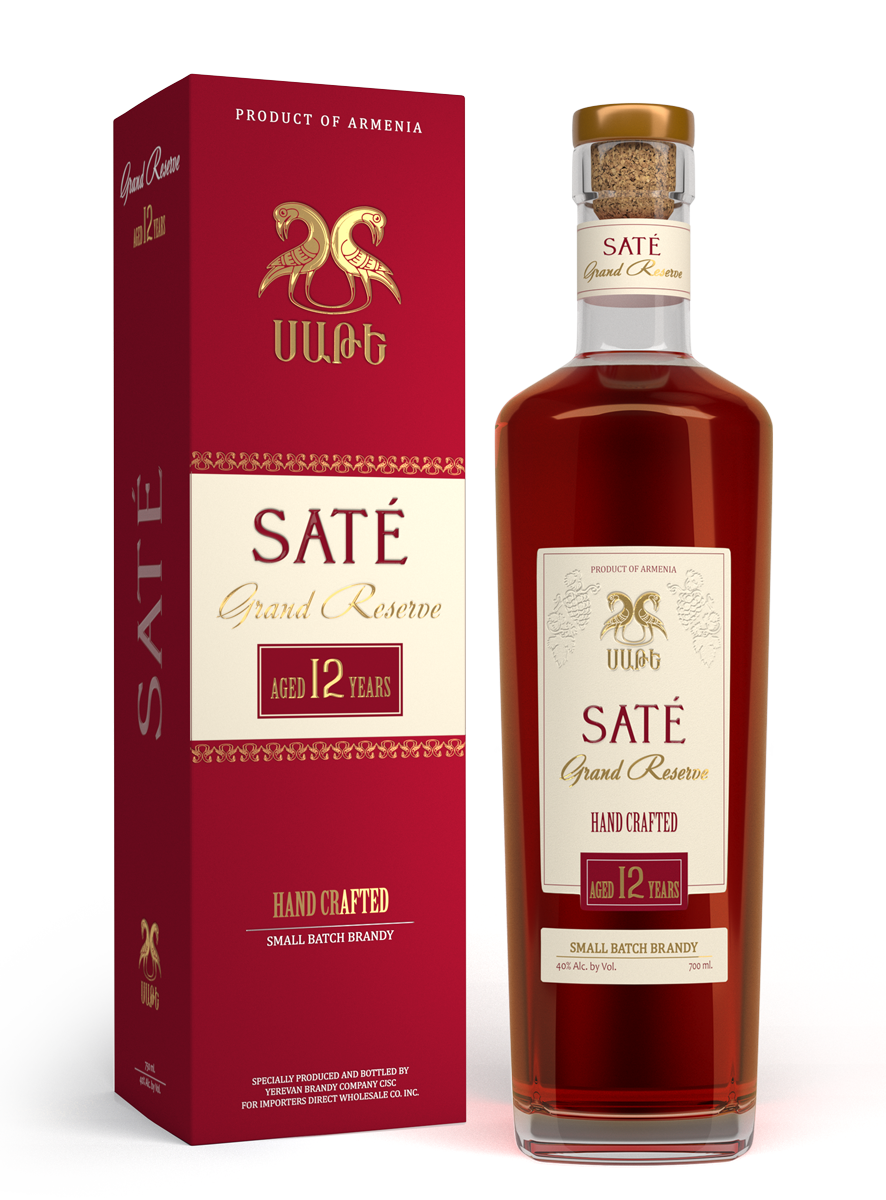
Sate Brandy 12 Years Old
Sate Brandy 12 Years is a premium aged brandy crafted with care and tradition. Matured for 12 years in oak barrels, it offers a rich, smooth flavor profile with notes of dried fruits, vanilla, and warm spice.
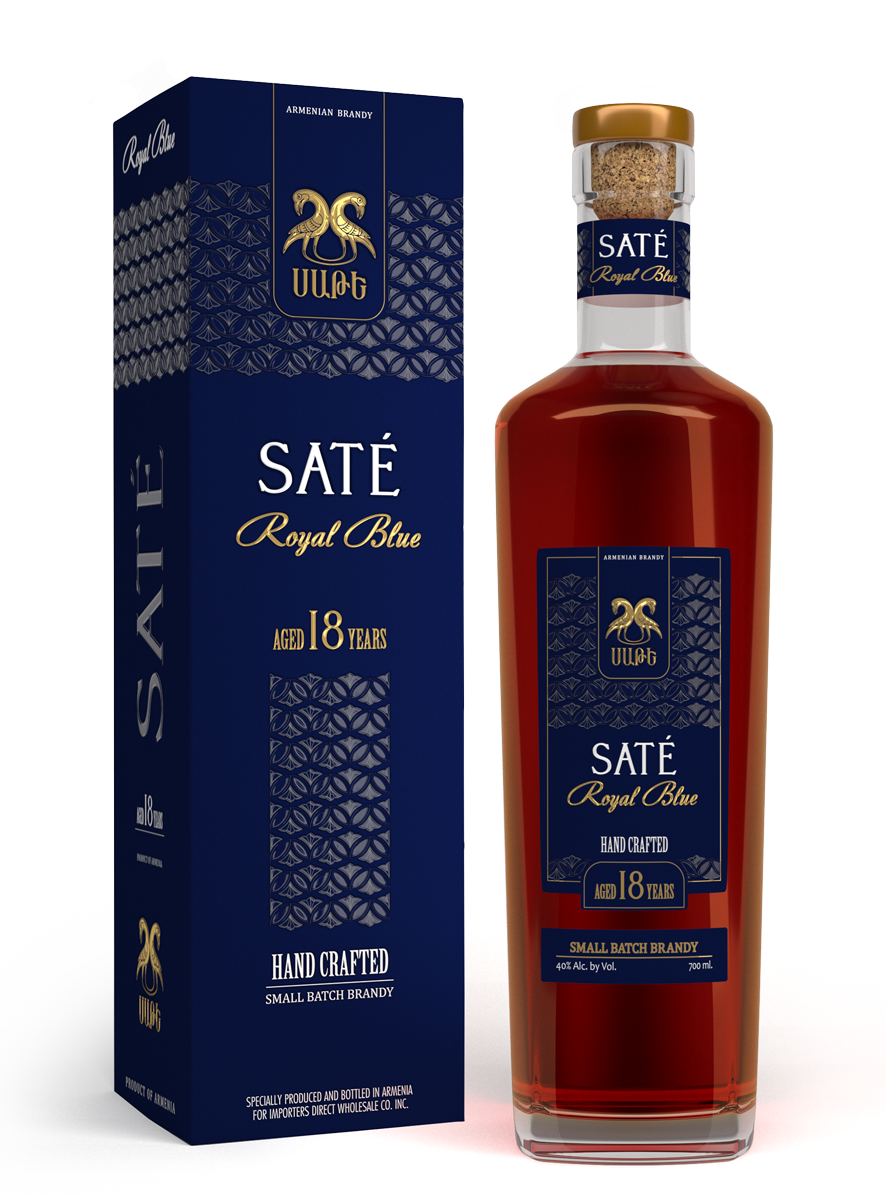
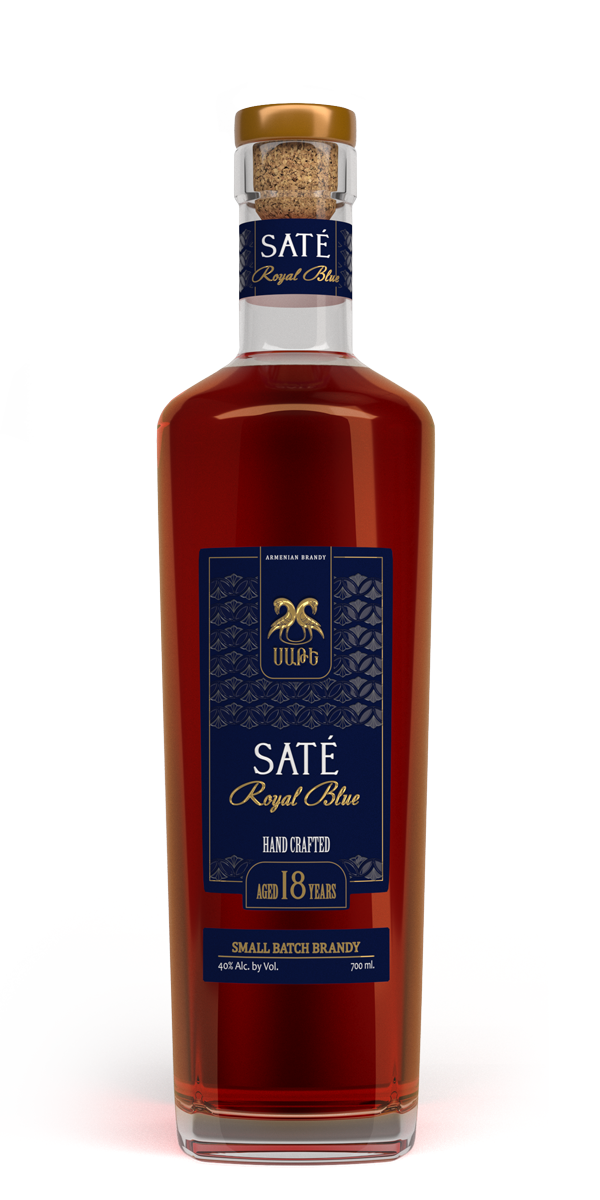
Sate Brandy 18 Years Old
Sate Brandy 18 Years is a rare, finely aged brandy with deep oak and caramel notes. Smooth, rich, and elegant, it offers a luxurious balance of warmth and complexity for true connoisseurs.
About
“Artashes and Satenik” is a 5th century Armenian legend about Princess Satenik of the Alans, whose wisdom and beauty conquered the heart of King Artashes the First of Armenia. Their love reconciled the two belligerent peoples, thus changing the course of history.
Legends like this can sometimes make us more aware of the possibilities in the present moment.
Saté Brandy is a taste of this beautiful legend. A taste of possibility.
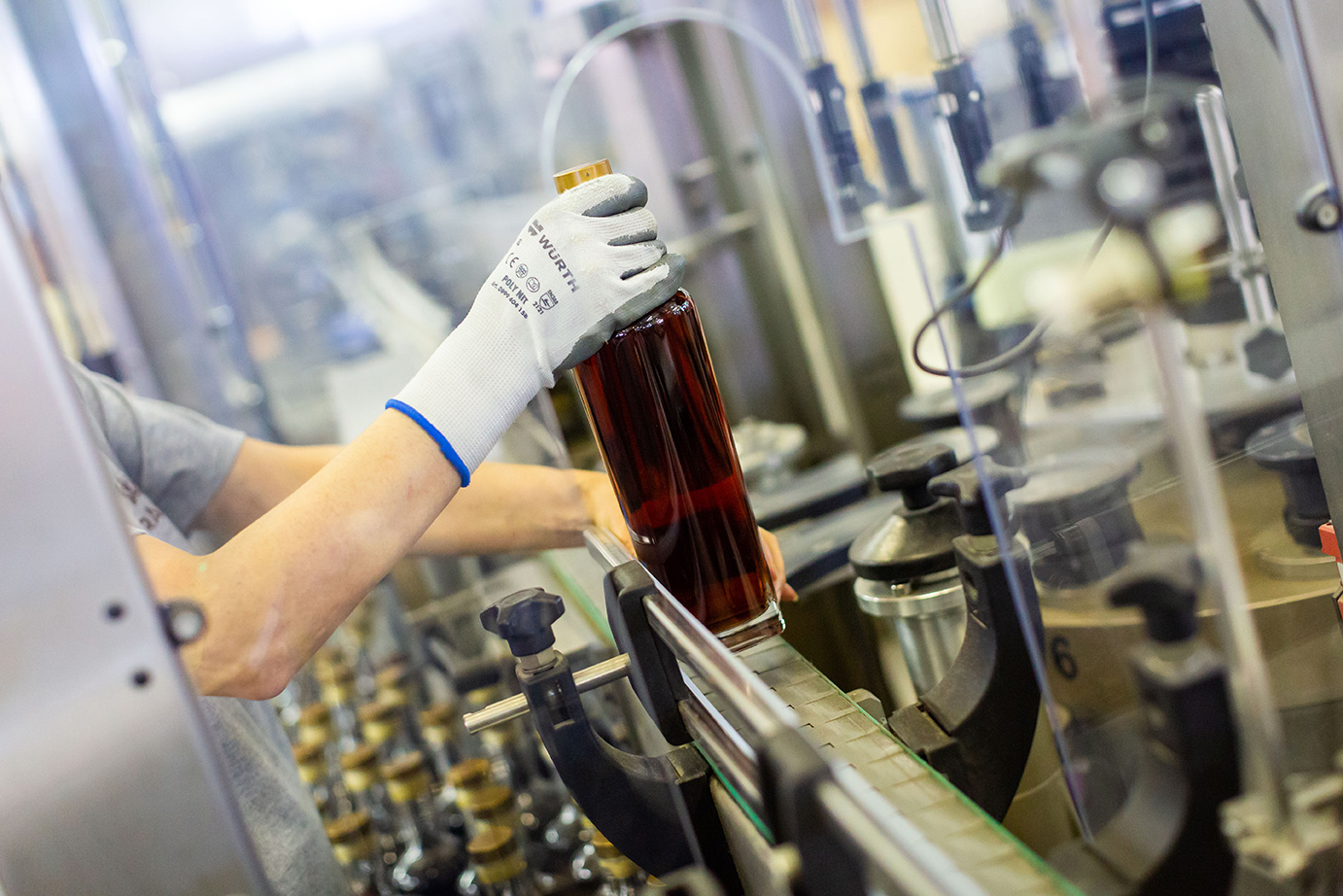
Grapes
The journey from grape to brandy starts with the careful cultivation of vineyards in the Ararat Valley.
Alcohol
The delicate process of distillation converts fermented grape wine into brandy.
Casks
After distillation, the brandy undergoes aging in oak casks – a maturation process that takes several years.
Blending
Finally, artful craftsmanship is applied to blending the aged brandies to create the high quality finished product.

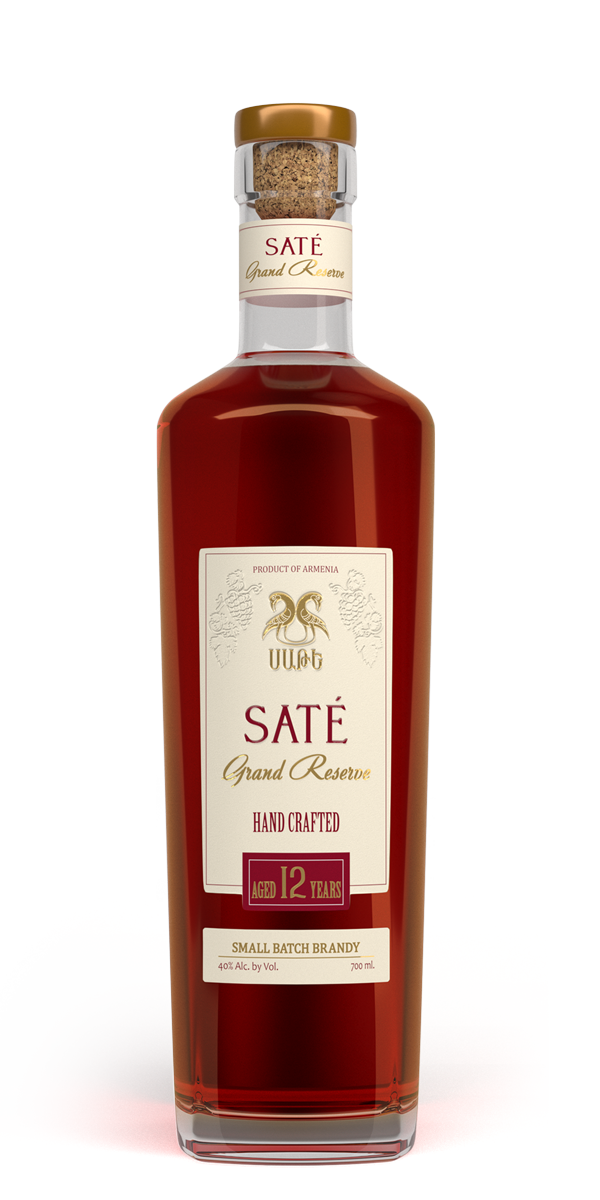
Sate Brandy 12 Years Old
Country
Armenia
The grape varieties that comprise “SATE” brandy are
Rkatsiteli
Kangun
Mskhali
The brandy is aged in
400-LITER ARMENIAN OAKWOOD BARRELS.
Age
12 years
Grapes
The journey from grape to brandy starts with the careful cultivation of vineyards in the Ararat Valley.
Alcohol
The delicate process of distillation converts fermented grape wine into brandy.
Casks
After distillation, the brandy undergoes aging in oak casks – a maturation process that takes several years.
Blending
Finally, artful craftsmanship is applied to blending the aged brandies to create the high quality finished product.
Sate Brandy 18 Years Old
Country
Armenia
The grape varieties that comprise “SATE” brandy are
Rkatsiteli
Kangun
Mskhali
The brandy is aged in
400-LITER ARMENIAN OAKWOOD BARRELS.
Age
18 years
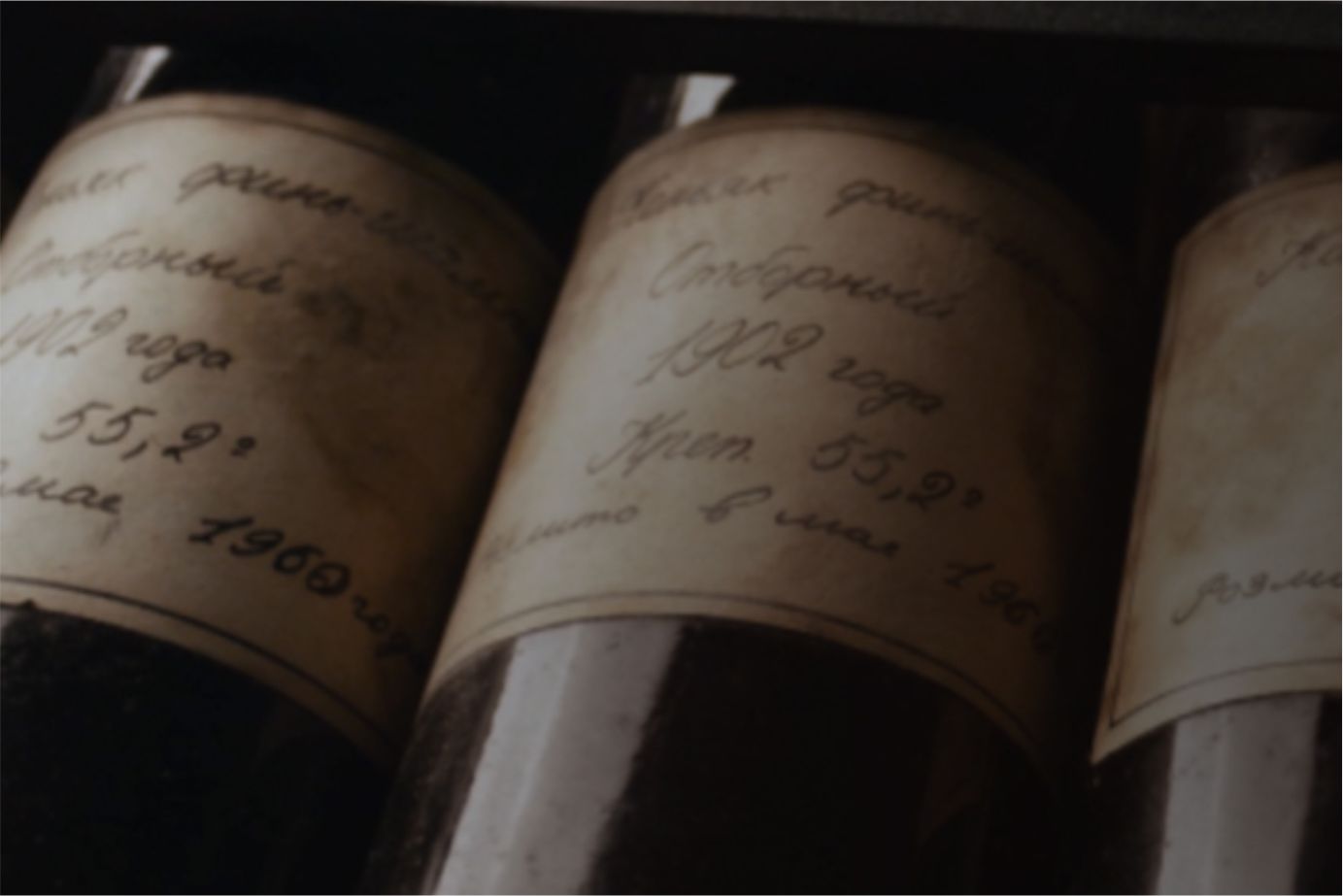
The culture of winemaking in Armenia goes back to the 19th century. The Armenian brandy that is famous around the world today was introduced in 1887 in Yerevan. Merchant and philanthropist, Nerses Tairyan, was the first to begin classical French alcohol production technology in Armenia. He was inspired by his cousin, Vasily Tairov, an experienced winemaker and scientist. Tairyan expertly recognized the unique conditions of Ararat Valley and the high quality of the local grape varieties.
With financial support from friends and relatives, Charante-type distillers were installed in Tairyan’s factory and it was prepared for the process of aging spirits. This entrepreneurial undertaking resulted in technological breakthroughs and new opportunities for the brandy industry in Armenia.
In just a quarter of a century, Armenian brandy gained worldwide recognition and success. Revolutionary upheavals in the country had little impact on brandy production and its status as a national treasure was solidified.